
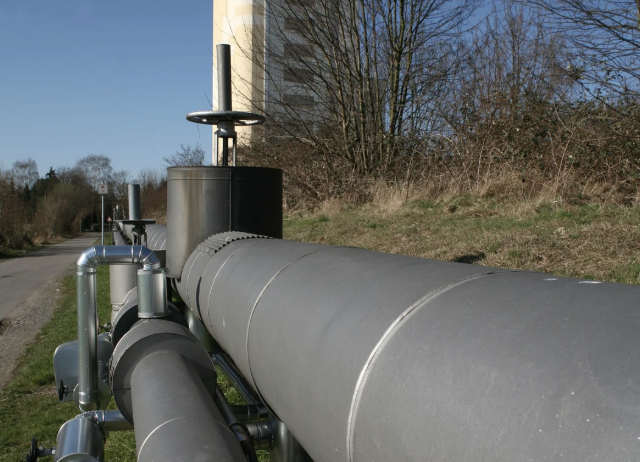
With the post WWII suburb buildout approaching 80-years old, aging pressure pipelines are becoming a growing challenge for utilities, municipalities, and industrial operators throughout the United States. Failures due to this aging infrastructure are happening faster than traditional replacement programs can keep up, particularly with the cost of materials and labor increasing at exponential rates. That’s why many asset managers are turning to trenchless rehabilitation technologies solutions that restore critical pipelines from the inside, without the need for full-scale excavation, resulting in much less restoration of above ground features such as paved roads, sidewalks, and structures.
But with multiple lining systems on the market, how do you choose the right one especially for high-pressure applications? The answer depends on your pipeline’s design, materials, and performance requirements.
In this guide, we’ll break down the key factors to consider, compare popular liner systems, and explain why the Primus Line® system, offered by Advantage Reline, has become a go-to solution for pressure pipeline rehabilitation.
Understanding Pressure Pipeline Lining Systems
Before selecting a liner, it’s worth understanding what these systems actually do. A pipeline liner is more than just a leak seal; it’s a structural renewal method that restores integrity, protects against corrosion, and extends the service life of aging pipeline systems.
Unlike gravity pipelines (such as storm drains and many wastewater pipes), pressure pipelines must withstand internal forces from water, gas, or other media under pressure, which means not every lining technology is suitable.
Here are the main categories you’ll encounter:
Cured-in-Place Pipe (CIPP): Common for gravity sewers; can sometimes be used in low pressure applications, but not through bends, and requires access every 500 to 700 feet.
Sliplining: Involves inserting a smaller pipe inside the host pipe, simple but reduces flow capacity and cannot be pulled through bends in the pipe.
Primus Line®: A flexible, aramid-reinforced hose liner designed for high-pressure water, gas, and oil lines that can be pulled through multiple bends and up to a mile between access
Spray-Applied Coatings: Good for applications with service connections and complex geometry, but requires access every 300-feet.
Each system has its strengths but for pressure pipelines, the solution must deliver both strength and flexibility without major flow loss or downtime.
Key Factors When Choosing a Liner System
1. Operating Pressure and Flow Requirements
Your pipeline’s pressure rating is one of the first things to consider. Many standard liners are designed for low-pressure systems (50psi or less), which can limit their use in transmission mains or industrial pipelines.
The Primus Line system is engineered to handle pressures up to 925 PSI while maintaining high flow efficiency thanks to its thin yet robust wall structure. That means you can rehabilitate pressure lines without compromising hydraulic performance.
2. Pipeline Material and Condition
Steel, ductile iron, cast iron, HDPE… every material interacts differently with a liner system. Internal corrosion, tuberculation, or pitting can also affect installation.
A detailed condition assessment helps determine whether your pipeline can safely host a liner or requires local repairs first. The Primus Line system is a loose fit system that connects mechanically on the end of the host pipe, so it doesn’t rely on bonding or curing, making it a versatile option for a variety of materials and conditions.
3. Length and Alignment (Bends and Access Points)
Most liners can only be installed in straight sections, which limits trenchless feasibility. The Primus Line stands out for its ability to negotiate bends up to 90° and continuous installations over long distances (up to 5,200 feet or more), requiring minimal excavation and fewer access pits.
That flexibility means faster projects and far less disruption to roads, landscaping, or surrounding infrastructure.
4. Installation Time and Downtime
Traditional pipeline replacement often requires weeks or months of open-trench work. Trenchless rehabilitation, by contrast, can be completed in days or even hours.
With Advantage Reline’s trenchless installation approach, the Primus Line can be installed at rates of thousands of feet per day. This dramatically reduces downtime for critical services such as municipal water supply or gas distribution, keeping systems online and customers unaffected.
5. Service Life and Maintenance
Long-term performance matters. Independent testing and real-world applications have shown that the Primus Line system can deliver a service life exceeding 50 years under proper installation and operating conditions.
Because it’s a standalone structural solution, ongoing maintenance requirements are minimal, providing predictable lifecycle costs and long-term reliability.
6. Regulatory and Safety Compliance
Compliance is non-negotiable, especially for potable water and gas pipelines. The Primus Line system has been NSF/ANSI 61 certification certified for drinking water and complies with relevant oil and gas safety and industry standards worldwide.
Working with Advantage Reline ensures your project meets all applicable regulatory and environmental requirements.
Comparing Common Pipe Liner Options
| Liner Type | Pressure Rating | Installation Impact | Typical Use | Limitations |
| CIPP | Low to moderate | Moderate disruption | Sewer/storm | Not ideal for pressure lines |
| Sliplining | Moderate | Requires large access pits | Water/gas | Reduces internal diameter |
| Primus Line® | High (up to 925 PSI) | Minimal excavation | Any pressure pipe | Higher initial design cost offset by speed and longevity |
| Spray coatings | Low | Minimal | Corrosion protection | Semi-structural |
Step-by-Step: How to Evaluate Your Pipeline for Lining
Not sure where to start? Here’s a proven process that Advantage Reline uses to help clients evaluate and design trenchless rehabilitation solutions:
- Condition assessment – CCTV inspection, hydrostatic testing, smart pigging, or material sampling.
- Hydraulic modeling – Determine pressure and flow needs post-rehabilitation.
- Material compatibility review – Verify liner and host pipe interaction.
- Access and bypass planning – Identify excavation and temporary bypass needs.
- Liner selection and design – Choose the right diameter, pressure class, and connection type.
- Installation and testing – Complete installation by certified installer, pressure testing, and commissioning.
We offer full pipe assessment services to help you select the best-fit liner for your specific pipeline challenges. Contact us to schedule an evaluation or request a consultation, our team will walk you through each step of the process.
Sustainable Benefits Beyond Repair
Fixing the leak or failure is the goal, but gaining sustainability benefits at the same time? That’s smart pipeline planning.
Modern trenchless solutions like Primus Line offer benefits that go well beyond cost savings:
- Lower carbon footprint: Less excavation and material waste.
- Shorter project timelines: Days instead of weeks or months.
- Minimal traffic disruption: Less impact on communities.
- Resilience and sustainability: Extends asset life with fewer environmental impacts.
For utilities focused on ESG goals and infrastructure modernization, these advantages make a measurable difference.
Confidence Under Pipe Pressure
Choosing the right liner system can make the difference between short-term fixes and long-term reliability. For high-pressure water and gas pipelines, Primus Line® delivers unmatched performance, flexibility, and proven success across thousands of installations worldwide.
Whether you’re managing a municipal network or an industrial facility, we provide the experience, technology, and support to bring your pipeline rehabilitation project to life: safely, efficiently, and sustainably.
Ready to discuss your next project?
Contact Advantage Reline today to schedule a site evaluation or request a consultation with our trenchless rehabilitation experts.