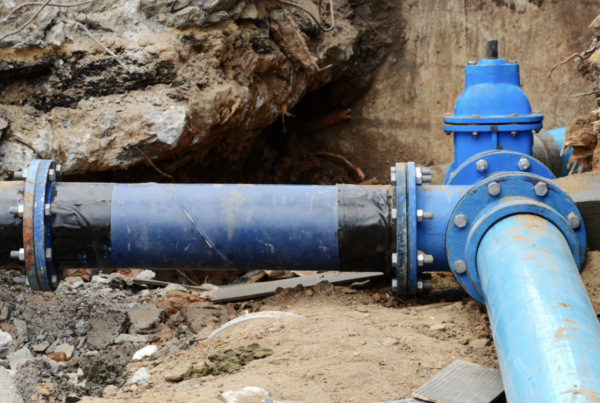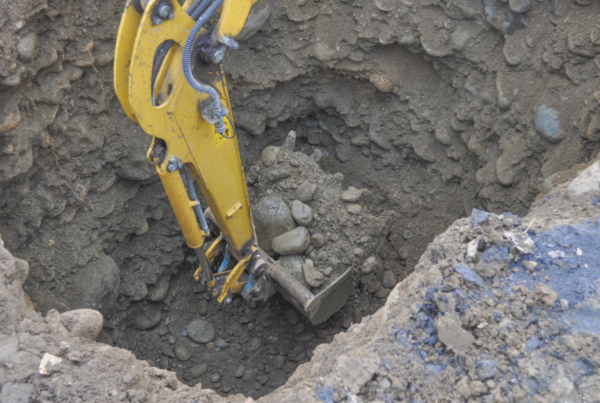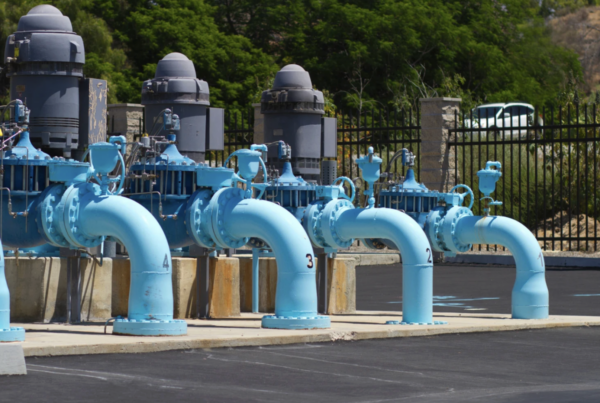

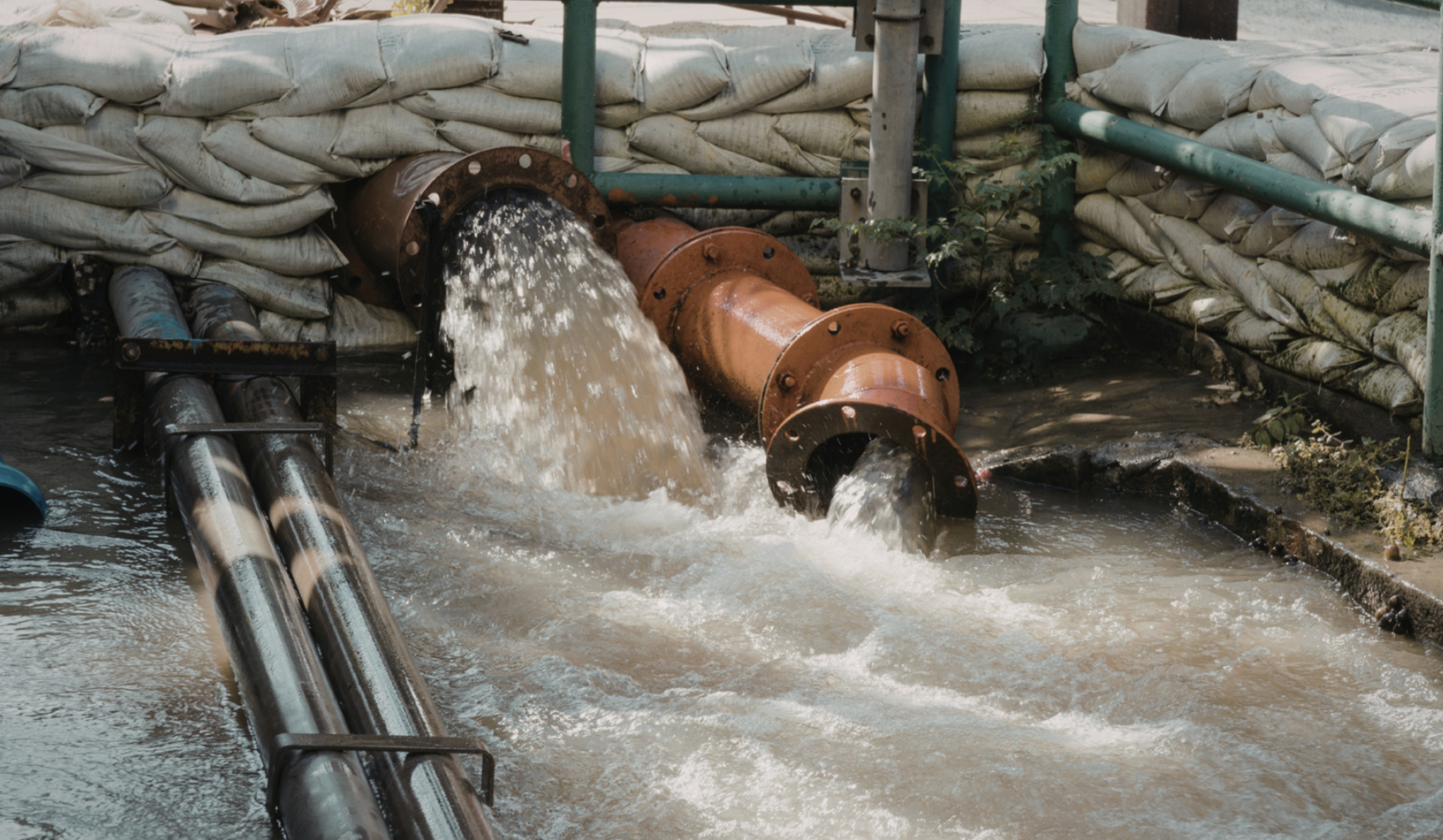
Force mains are some of the most critical assets in a wastewater collection system. They sit underground, under pressure, and largely out of sight. Until they fail. Then they become the most urgent thing on every engineer’s schedule.
A force main failure is the reason for a sewage spill, a regulatory incident, an emergency response bill, and a repair that happens on the worst possible timeline. And for systems where the force main is the only route for pressurized wastewater to reach the treatment plant, even a planned rehabilitation carries serious operational risk.
This guide is written for wastewater engineers managing aging force mains who need a practical framework for planning rehabilitation without shutting down service or gambling on emergency response timelines.
Understanding Force Main Failure Modes
Effective force main rehabilitation planning starts with understanding how these systems fail. The failure modes differ meaningfully from gravity sewer systems, and the consequences are more immediate.
External Corrosion.
Force mains installed in aggressive soils (high chloride content, stray electrical current, low resistivity) are vulnerable to external corrosion of ductile iron or steel pipe. Corrosion can progress unevenly, creating pitting that weakens the pipe wall without visible external indication until failure occurs.
Internal Corrosion (MIC).
Microbially induced corrosion (MIC) is one of the primary degradation mechanisms in wastewater force mains. Hydrogen sulfide in the wastewater stream reacts with oxygen at the pipe crown via bacterial activity, forming sulfuric acid that attacks the cement mortar lining and, over time, the base pipe material. Unlined or failed-lining force mains are acutely vulnerable.
Surge and Water Hammer.
Force mains operate under the dynamic pressure conditions created by pump starts and stops. Repeated pressure transients cause fatigue in joints and fittings over time, and severe water hammer events can cause instantaneous failures. Systems without adequate surge control are at elevated risk.
Joint Deterioration.
Push-on rubber gasket joints in older ductile iron installations can harden, crack, and leak over decades. In high-groundwater areas, joint leakage may not be immediately visible but contributes to infiltration-related system problems and, in reverse, can allow wastewater exfiltration into the environment.
Material End-of-Life.
Asbestos cement (AC) force mains from the 1950s–1970s are still in service in many systems. These pipes were not designed with the same design life assumptions as modern ductile iron or PVC, and many are operating well past their intended service period.
The Water Environment Federation (WEF) and the Water Research Foundation (WRF) have documented that force main failures are responsible for a disproportionate share of sanitary sewer overflows (SSOs) in collection systems, with significant regulatory and environmental consequences (WRF, “Condition Assessment of Pressure Mains”).
The Rehabilitation Planning Challenge
What makes force main rehabilitation uniquely challenging is the operational constraint: the system is pressurized, it moves sewage, and it almost certainly cannot be taken out of service without a plan to move that flow somewhere else.
This is the central question wastewater engineers need to answer before method selection: What is our bypass plan?
The answer shapes everything: cost, schedule, method selection, and risk profile.
Here’s how to think through it:
Option 1: Phased Rehabilitation with Bypass Pumping
For most force main rehabilitation projects, bypass pumping is the solution that allows planned work without service disruption. A temporary pumping system (typically skid-mounted diesel-driven pumps and surface-run bypass pipe) moves wastewater around the rehabilitation reach while work proceeds.
Bypass pumping requires advanced planning and introduces its own operational risks (pump failure, bypass pipe failure, fuel management), but it’s a well-understood approach that gives you control over the rehabilitation timeline.
For longer force mains, phased rehabilitation, working one section at a time with bypass covering each active reach, allows projects to proceed without requiring the entire system offline simultaneously.
Option 2: Planned Outage Windows
Some systems have enough operational flexibility (wet well storage capacity, alternative routing, or reduced nighttime flow) to allow short planned outage windows for targeted rehabilitation work. This approach requires coordination with operations staff, careful flow monitoring, and rapid execution by the contractor.
Trenchless rehabilitation methods are well-suited to this approach because they execute quickly. A Primus Line® installation can complete a rehabilitation pull in hours, not days, opening the possibility of overnight or weekend outage windows for pre-planned sections.
Option 3: Parallel Redundancy
In some cases, the rehabilitation conversation is better reframed as a capacity and redundancy investment. If the existing force main is approaching end-of-life and the system lacks redundancy, installing a new parallel force main and transitioning flow may be preferable to rehabilitating the aging line in place. This is a capital planning decision as much as a rehabilitation decision, but it deserves consideration when the existing pipe is severely degraded.
Rehabilitation Methods for Force Mains
Several trenchless rehabilitation methods apply to sewer force main lining and forced sewer main repair. Selection depends on pipe material, diameter, operating pressure, and the degree of structural deterioration.
CIPP (Cured-In-Place Pipe) for Force Mains
CIPP is one of the most widely used methods for sewer force main lining. A felt liner saturated with thermosetting resin is inverted or pulled into the host pipe, then cured using heat, UV, or ambient temperature. When properly engineered and installed, CIPP creates a structurally independent new pipe inside the host.
For force main applications, engineers should confirm that the liner system proposed is specifically rated for the design pressure of the force main. Not all CIPP systems carry the same pressure certifications, and this is a critical differentiator for pressurized wastewater applications.
CIPP is appropriate for force mains with moderate structural deterioration, bends within the range of the liner’s flexibility, and operating pressures within the certified range of the liner system.
Primus Line® for High-Pressure Force Mains
For force mains operating at higher pressures or where the existing pipe condition requires a liner system with exceptional tensile strength, Primus Line® is a purpose-built solution. The aramid-fabric-reinforced liner system is rated for operating pressures up to 1,189 PSI and burst pressures up to 2,988 PSI, making it appropriate for the full range of municipal force main operating conditions.
Primus Line® is particularly well-suited to force main rehabilitation because:
- It requires only two small access pits per section, minimizing surface disruption
- It can navigate bends up to 90 degrees, accommodating the directional changes common in force main alignments
- It installs quickly, compressing bypass pumping duration and associated cost
- It does not require curing, heat treatment, or chemical treatment after installation
- It is removable and replaceable if future conditions change
Spray-In-Place Pipe (SIPP) for Corrosion Control
This would work if the force main deterioration is primarily corrosion-driven rather than structural; SIPP offers a targeted corrosion protection solution. A high-build epoxy coating is robotically applied to the pipe interior, sealing the base material from further chemical attack.
SIPP is most appropriate for force mains with intact structural geometry but failed or deteriorated interior lining, where the goal is corrosion barrier restoration rather than structural rehabilitation.
Slip Pipe Lining
Slip lining, pulling a smaller-diameter pipe inside the existing host, remains a viable option for large-diameter force mains where some hydraulic capacity reduction is acceptable. It’s one of the simplest trenchless methods in terms of equipment requirements, but the diameter reduction must be verified against system hydraulic modeling before it can be selected.
The Condition Assessment First
No force main rehabilitation project should proceed without a current condition assessment. This sounds obvious, but it’s surprising how often rehabilitation scoping proceeds based on system age and failure history rather than actual current pipe condition data.
A comprehensive force main condition assessment should include:
CCTV Pipe Inspection.
Camera inspection through an access point identifies internal defects including joint separation, corrosion pitting, lining failure, and debris accumulation. NASSCO’s Pipeline Assessment and Certification Program (PACP) provides standardized defect coding that allows condition scoring and prioritization.
Pressure Testing.
Hydrostatic pressure testing of isolated sections quantifies current leak rate and confirms whether the system will hold pressure at design conditions.
External Condition Assessment.
For metallic force mains, close-interval potential surveys (CIPS) and pipe-to-soil potential readings can identify areas of active corrosion and evaluate the effectiveness of cathodic protection systems.
Wall Thickness Testing.
Ultrasonic wall thickness measurement at selected points quantifies remaining wall material and can identify critical thinning before failure occurs.
This data, documented in a formal condition assessment report, is the foundation for defensible project planning, rational method selection, and cost-effective capital budgeting.
Regulatory Considerations
Force main failures in most states are reportable sanitary sewer overflow (SSO) events. The regulatory framework under Clean Water Act NPDES permits means that agencies managing deteriorated force mains are operating with real liability exposure.
Many state environmental agencies have developed SSO reduction programs that require utilities to develop asset management plans, capacity assurance plans, and documented rehabilitation schedules for critical infrastructure, including force mains.
The EPA’s Clean Water State Revolving Fund (CWSRF) is a significant funding source for force main rehabilitation projects, particularly for projects that demonstrably reduce SSO frequency and volume. Condition assessment documentation and a defensible rehabilitation plan are prerequisites for CWSRF project eligibility.
What a Well-Planned Force Main Rehabilitation Looks Like
The best force main rehabilitation projects share a set of common characteristics:
They start with current condition data, not assumptions. They develop a realistic bypass pumping plan before selecting the rehabilitation method. They select a method or combination of methods, matched to the actual pipe conditions, diameter, pressure rating, and access constraints. They build a schedule around bypass pump duration, because that’s the primary driver of operational disruption. And they close with a post-rehabilitation pressure test and documentation package that becomes part of the asset management record.
Advantage Reline has completed force main rehabilitation projects across the country, from municipal wastewater systems to industrial pump stations. Our team can assist with condition assessment, method selection, bypass planning coordination, and the rehabilitation installation itself. Providing a single point of accountability for projects where the stakes are high.
Don’t Wait for the Emergency
The time to rehabilitate a force main is before it fails, not after. A planned project gives you control over the timeline, the method, the bypass approach, and the cost. An emergency repair takes all of that control away.
If your system includes aging force mains (specifically unlined or failed-lining cast iron, older AC pipe, or ductile iron with a history of external corrosion), the condition assessment conversation is the right first step.
Contact Advantage Reline to discuss your force main rehabilitation needs. Our team will help you build a project plan that protects your system, your community, and your regulatory standing without shutting down your city.