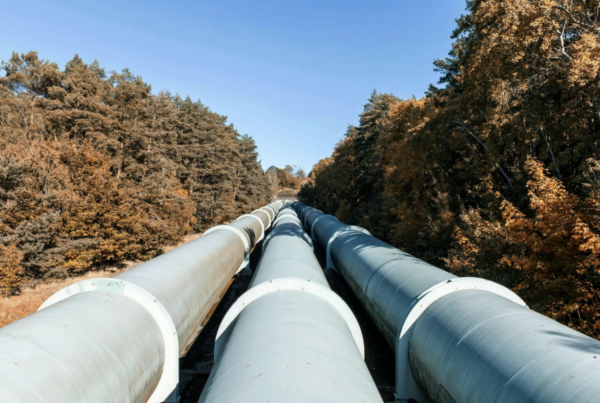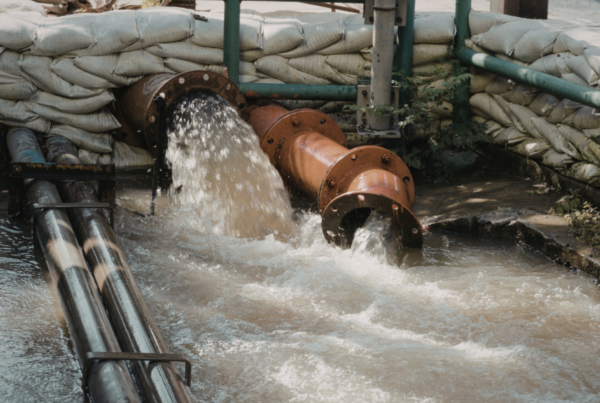

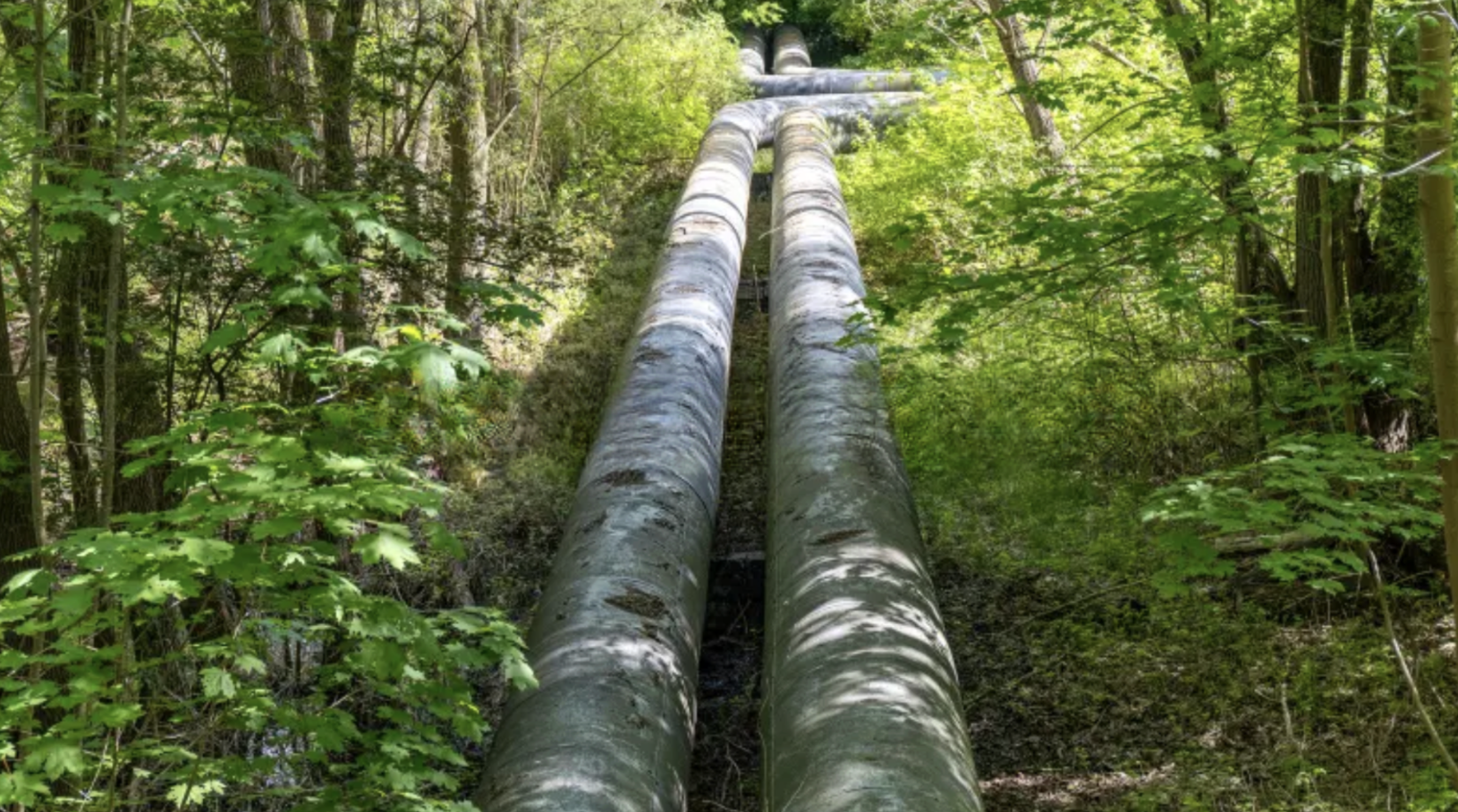
When a water transmission main failure makes the local news, the story is almost always about the flooding: the sinkhole, the evacuated businesses, the cars underwater. What rarely makes the headline is the number underneath all of it. Research examining large-diameter water main failures has estimated the average total cost of a failure at roughly $12 million when broader consequences are considered, illustrating how quickly the cost can extend beyond the pipe repair itself.
That gap, between what a utility budgets for “pipe repair” and what a transmission main failure actually costs a community, is the reason proactive rehabilitation keeps winning the argument against “we’ll fix it when it breaks.”
The Repair Bill Is Only Part of the Equation
A repair crew’s invoice covers labor, materials, and equipment to physically fix the pipe. That’s it. It doesn’t cover the water lost before the main could be isolated, the property damage from flooding, the business interruption for everyone downstream of the break, the traffic control and road reconstruction, or the public communication and reputational impacts that can follow a major service disruption. Smaller distribution line breaks can sometimes be repaired for a few tens of thousands of dollars. For a large-diameter transmission main, the direct repair can represent only one portion of the financial impact. Water loss, property damage, road restoration, emergency response, service disruption, and claims can significantly increase the total cost of the event.
Why Transmission Mains Break Less Often and Cost Far More When They Do
Here’s a stat worth internalizing before you assume a transmission main is a low-priority asset because it doesn’t fail often: a comprehensive Utah State University study of over 800 North American water utilities found that distribution mains (3–12 inches) break at a rate of 13.3 breaks per 100 miles annually, while transmission mains (14 inches and larger) break at just 2.2 per 100 miles, a rate over 500% lower.
Transmission mains may break less frequently than distribution pipes, but their high consequence of failure makes them a top asset management priority. Because of their large diameter, high pressure, and critical role in serving vast customer bases, a single failure can cause catastrophic disruptions that far exceed the cost of the physical repair. Consequently, managing these assets requires evaluating overall risk and balancing the probability of failure with the severity of its impact.
What’s Actually Included in the True Cost of a Failure
A full accounting of a transmission main failure typically includes:
- Emergency mobilization and repair. Off-hours crew callouts, equipment mobilization, and expedited materials cost more than a planned repair.
- Non-revenue water loss. A large-diameter failure can release substantial volumes of treated water before the main is isolated.
- Property and business damage. Flooded homes, businesses, and vehicles, plus the utility’s exposure to claims.
- Traffic and infrastructure damage. Road washouts, sinkholes, and pavement reconstruction on top of the pipe repair itself.
- Service interruption. Pressure loss or full outages affecting every customer downstream, sometimes including hospitals, schools, and other critical facilities.
- Regulatory and reputational cost. Boil water notices, public communication, and the erosion of public trust that follows a visible failure.
The nation is already carrying the weight of this math at scale: the National Association of Water Companies estimates that the U.S. loses nearly 20% of its treated water before it reaches customers, roughly 2 trillion gallons a year, costing $6.4 billion annually system-wide.
Real Transmission Main Failures and What They Cost Communities
The pattern shows up consistently in recent, well-documented failures:
- A 110-year-old 36-inch steel transmission main in West Hollywood, CA ruptured in 2026, releasing an estimated $17 million gallions, sending a surge through nearby streets, flooding businesses and vehicles, and leaving a sinkhole in the middle of a major intersection.
- A 48-inch transmission main in Philadelphia failed in 2022, releasing an estimated 8 million gallons, prompting evacuations, disrupting 16 local schools due to low or no water service, and forcing gas shutoffs to affected buildings over flooding-related safety concerns.
- A 54-inch water main in Southwest Detroit ruptured in 2025, flooding homes and displacing families in a system where utility documents show many transmission mains are already over a century old. Nearly $12 million was ultimately spent on repair, restoration, and recovery efforts associated with the failure.
These incidents illustrate how the consequences of a transmission main failure can extend well beyond repairing the pipe itself.
Reactive Repair vs. Proactive Rehabilitation
Trenchless rehabilitation isn’t free, but it’s a planned investment in a known asset rather than an emergency response after failure. When evaluating rehabilitation, utilities can compare the project cost against the probability and consequence of failure, including potential water loss, property damage, service interruption, emergency response, and infrastructure restoration.
For critical transmission mains, considering those broader consequences can materially change the economics of a rehabilitation decision.
What This Means for Your Capital Planning
If your utility has aging transmission mains, materials with elevated break histories, or critical segments where the consequence of failure is high, the planning question is how to prioritize inspection, assessment, rehabilitation, or replacement before a failure forces the decision.
If you’re at the stage of building that business case into an actual procurement document, our guide on how to write an RFP for pressure pipeline rehabilitation walks through the technical and qualification requirements that make sure the bids you get back are ones you can actually evaluate and defend.
Not Sure Where Your Transmission Mains Stand?
The repair invoice is the smallest number in a transmission main failure. Once you add water loss, property damage, traffic and infrastructure repair, service interruption, and reputational cost, the real number lands closer to $12 million on average for a large-diameter failure — and transmission mains, despite failing far less often than distribution lines, are exactly where that catastrophic-cost scenario tends to play out. Weighed against that math, proactive rehabilitation on an aging transmission main isn’t just the safer call — it’s usually the cheaper one too.
We help rehabilitate water transmission mains using trenchless technologies engineered for high-pressure service. Visit our Water Transmission Main Rehabilitation page to see our process and technologies, or contact Advantage Reline to discuss a transmission main rehabilitation project.