Project Case Study
Primus Medium Pressure
Media
Potable Water
Pressure (psi)
280
Length (ft)
3,000
Diameter (in)
24
Pits
2
Bends (deg)
4 x 45
California
Client Objective
Rehabilitate an aging 24-inch water main running beneath Los Angeles Harbor between San Pedro and Terminal Island without excavation, without disrupting active port operations, and without shutting down one of the busiest shipping corridors on the West Coast.
Overview
How do you rehabilitate nearly 3,000 feet of critical water main beneath Los Angeles Harbor without digging it up?
That was the challenge Advantage Reline was brought in to solve for the Los Angeles Department of Water and Power, one of the nation's largest municipal water and power utilities. The existing 24-inch HDPE water main, encased in a steel casing beneath the harbor, ran between San Pedro and Terminal Island near the San Pedro Fish Market. Over time, the pipe had begun experiencing corrosion at the joints due to chlorine exposure. The condition required rehabilitation before it became a larger operational issue.
A conventional replacement was not a realistic option. Digging up and replacing this line would have meant major excavation through a working harbor, coordination around active Terminal Island operations, and potential multi-million-dollar shutdown impacts. The cost was not just the pipe. It was the disruption, the access, the excavation, and the complexity of working beneath one of the busiest shipping corridors on the West Coast.
LADWP turned to a trenchless rehabilitation approach. The goal was to restore the pipeline to full service life from within, using limited access points rather than open-cut excavation along the entire alignment.
Challenges
The alignment itself presented significant technical challenges. The crossing stretched roughly 3,000 linear feet beneath the harbor, included four 45-degree bends, and had nearly 300-foot elevation drops on each side. This was a long crossing with difficult geometry, limited staging area, and no margin for error with active shipping operations above.
Before the liner could be installed, the existing pipe had to be dewatered. The host pipe contained approximately 60,000 gallons of chlorinated water. The crew deployed a foam pig driven by a tow-behind air compressor to push the water through the pipeline, capturing it in three 25,000-gallon on-site tanks. Dewatering and tagging the line were completed as a single integrated operation. The mule tape was tied to the back of the foam pig so that as the pig traveled through the crossing, it simultaneously carried the tag line needed for liner installation. The displaced water was then dechlorinated and safely released in compliance with environmental requirements.
Managing dewatering, water capture, discharge control, tag line installation, and site logistics in an active harbor environment, while coordinating around cruise ships, freight operations, and port activity above, required precise planning and disciplined field execution at every stage.
Solution
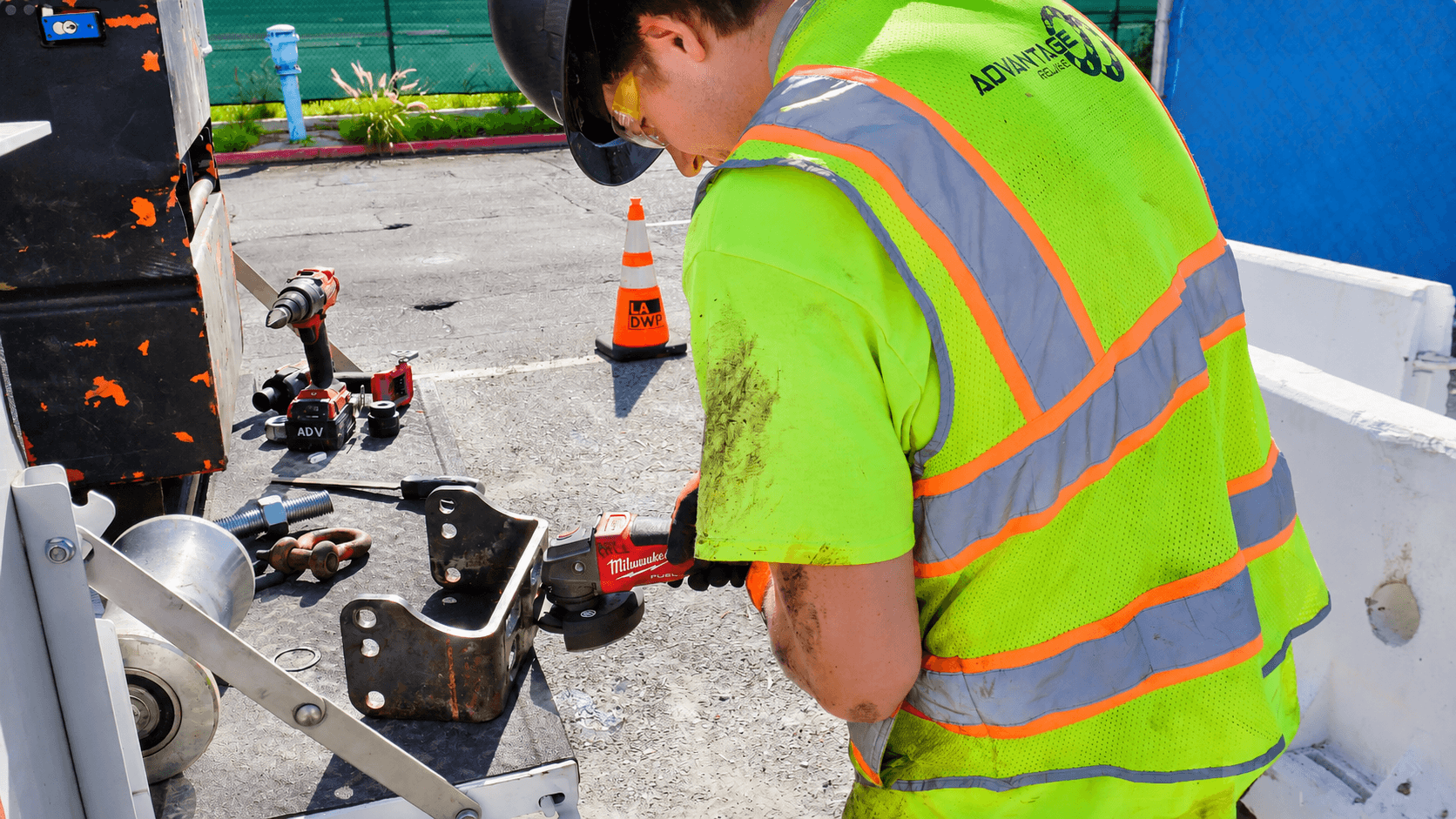
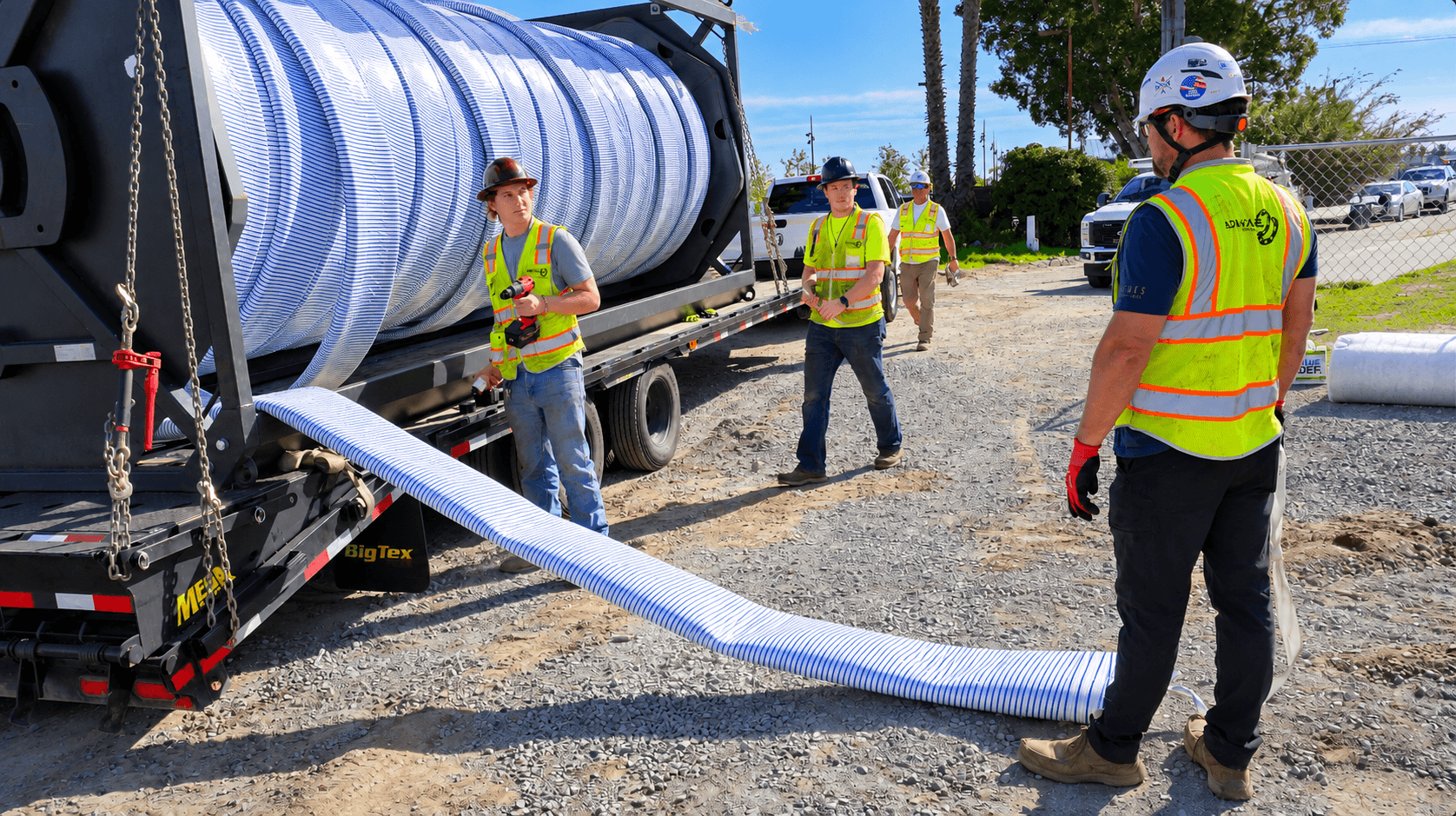
With the pipeline cleared and the tag line in place, Advantage Reline installed 20-inch Primus Line material through the existing 24-inch HDPE host pipe. On the San Pedro side, a 20-inch fitting was used to terminate the liner. On the Terminal Island side, a custom 20-by-24-inch transition fitting was fabricated and installed to connect the liner into the existing system.
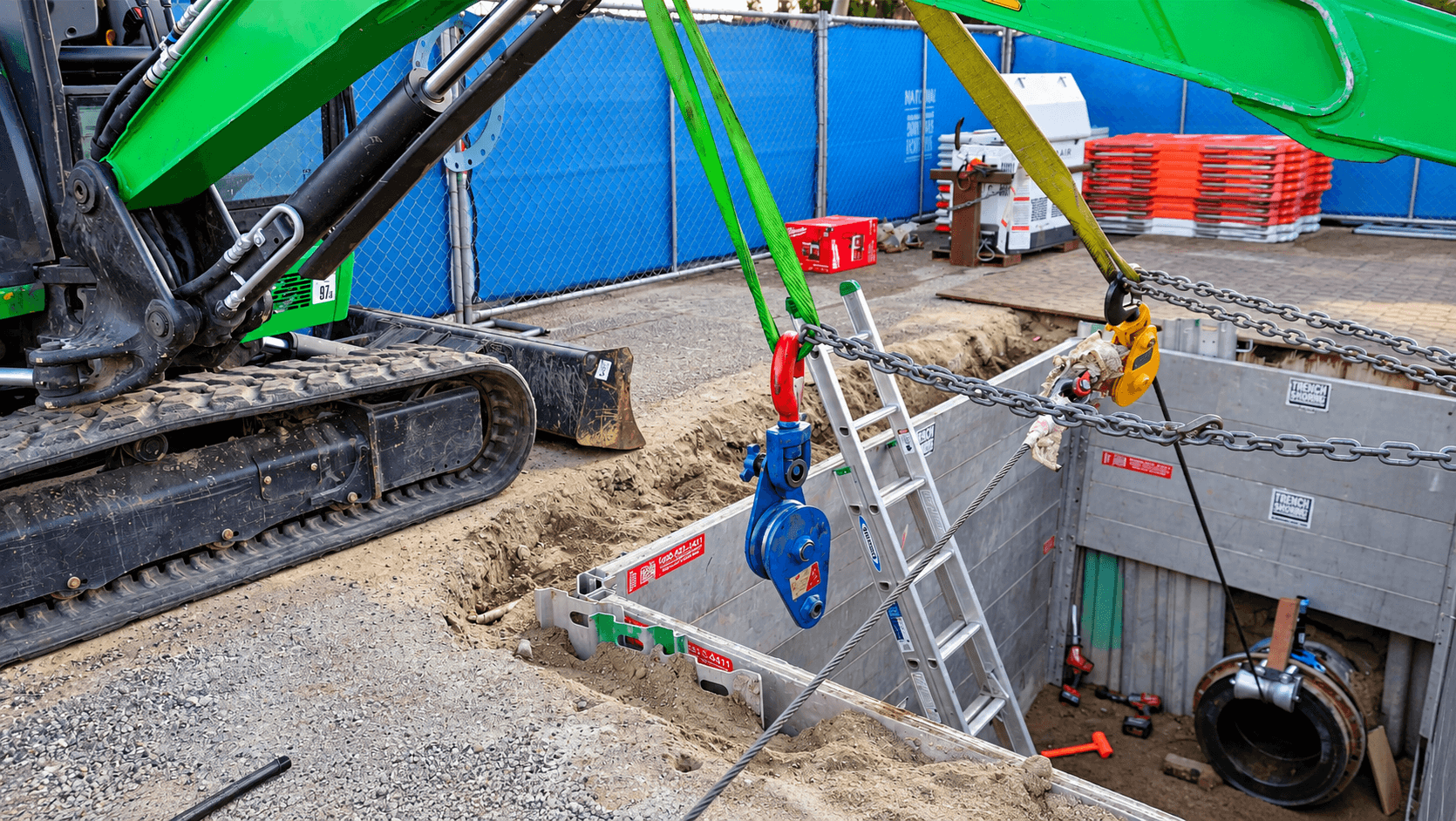
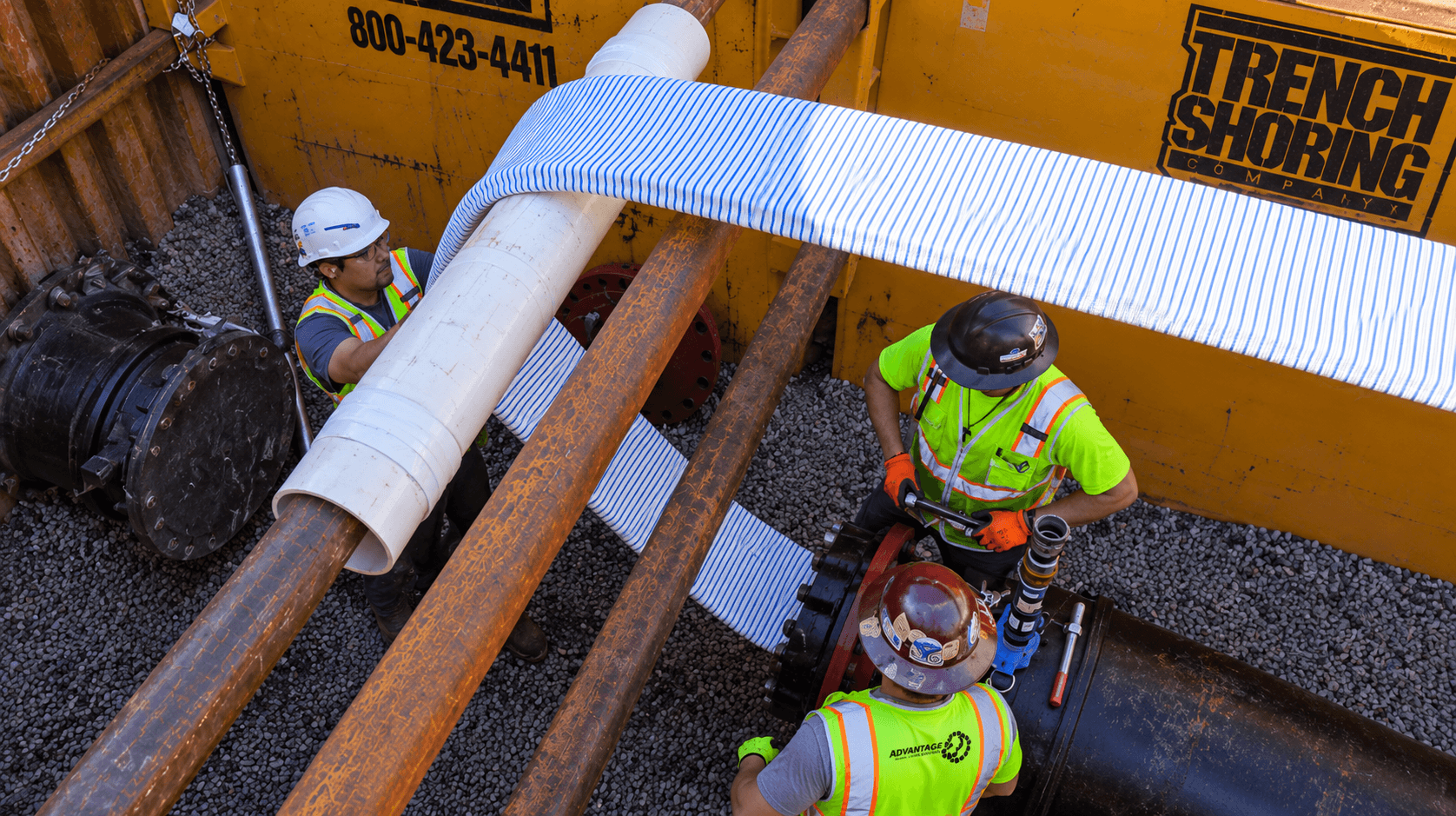
Primus Line was selected because it allowed the entire rehabilitation to be completed from two small access pits, one on each side of the harbor crossing, without requiring any excavation along the 3,000-foot alignment. For a project of this length, this alignment geometry, and this level of environmental and operational disruption risk, the ability to install from access points only was not just an advantage. It was the only viable path forward.
The entire 3,000-foot rehabilitation was completed in just under three days, navigating four 45-degree bends and nearly 300 feet of elevation change on each side, all beneath an active harbor without disrupting port operations, cruise traffic, or freight activity.
The project outcome helped secure a multi-year on-call contract with LADWP, reflecting the confidence the utility placed in Advantage Reline's ability to deliver complex trenchless rehabilitation in demanding environments.