Project Case Study
Primus Medium Pressure
Media
Potable Water
Pressure (psi)
175
Length (ft)
675
Diameter (in)
18
Pits
2
Bends (deg)
Multiple
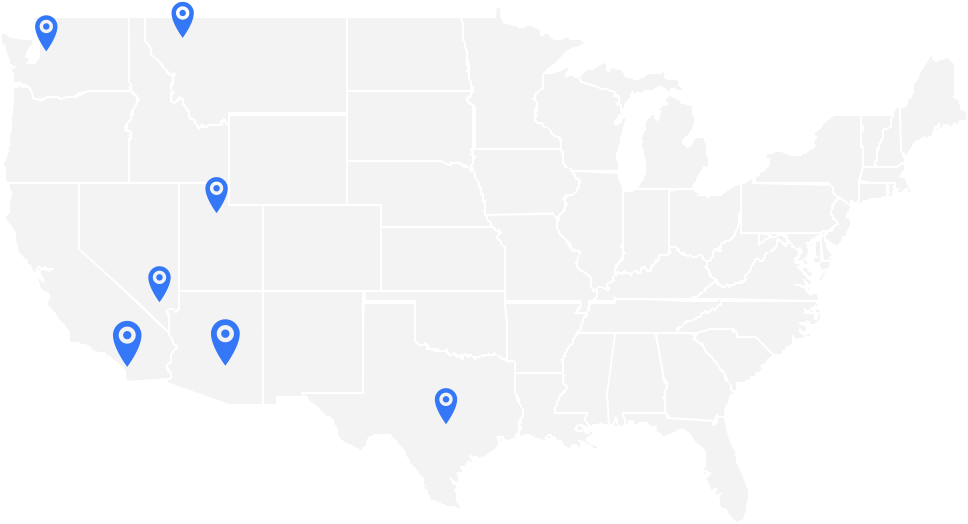
California
Client Objective
Rehabilitate 675 feet of aging potable water pipeline beneath busy parking facility, hillside terrain, and active railway infrastructure without disrupting transportation operations or requiring excavation.
Overview
The project rehabilitated an 18-inch, 1978 AWWA C303 bar-wrapped pipeline using Primus Line technology. The system required surface preparation and installation of medium-pressure Primus Line material with 2 fittings to restore 175 PSI operating capacity through challenging urban terrain.
Challenges
This pipeline presented extraordinary logistical and engineering complexities due to its route through critical infrastructure. The system traverses beneath a busy parking facility, descends a hillside, and runs under heavily trafficked railway tracks. Shifting earth from seismic activity and rail operations caused joint failures, particularly near railway easements.
Traditional excavation would have required closure of the parking facility, coordination with the railway on potential track shutdowns, hillside excavation, and work within restrictive railway easements. The client required uninterrupted railway operations and public parking access throughout rehabilitation. While the host pipe was maintained in good condition with sufficient tensile strength for multiple bends and operating pressure, its thick concrete construction and proximity to active rail infrastructure made conventional repair methods impractical.
Solution
Advantage Reline implemented trenchless Primus Line® technology specifically suited for aging bar-wrapped pipe systems. Working through existing access points, the team completed comprehensive surface preparation and installed 675 feet of 18-inch material with two medium-pressure fittings.
This approach eliminated disruptive excavation through all three terrain types while successfully navigating multiple bends and addressing joint failure issues. The rehabilitation maintained structural integrity to withstand ongoing seismic and railway-induced vibrations without requiring access to the railway easement.
The rehabilitated system now operates reliably at full design pressure, demonstrating how advanced trenchless technology overcomes complex urban infrastructure challenges while protecting critical transportation networks and maintaining community access throughout project execution.